A parent has a fall, or a new diagnosis suddenly makes the stairs seem like a mountain.
Your first thought is clear: how can we make their home safer so they can stay where they feel most comfortable? But who do you call? Is the general contractor who did a great job on your kitchen the right person to install grab bars or widen doorways for a walker?
The question is more complicated than it looks, and the wrong choice can lead to fixes that don't work, don't last, or are outright unsafe. That's why many experts point to specialized firms like Aging in Place North Carolina, which operates on a completely different model than a standard remodeler.
Why Should I Hire a CAPS Specialist Instead of a General Contractor?
The biggest difference between a general contractor and a Certified Aging-in-Place Specialist (CAPS) is knowledge.
A general contractor is an expert in construction, materials, and building codes. A CAPS professional, who holds a certification from the National Association of Home Builders (NAHB), is an expert in how people’s needs change in their own homes as they get older. They understand the subtle shifts in mobility, vision, and dexterity that call for a different way of thinking about home design.
Hiring a general contractor to handle home modifications for seniors in NC might get the basic job done, but the nuance is often lost.
A contractor can install a grab bar, for instance, but a CAPS specialist knows the precise angle and height it needs for someone with arthritis, or why a textured bar is a better choice than a smooth one. This kind of insight prevents costly and frustrating mistakes.
A firm like Aging in Place North Carolina doesn’t just see a project; they see a person’s daily routine, their future needs, and the family dynamics involved.
When you look at your options, the contrast becomes obvious:
- The Assessment: A general contractor usually quotes the specific task you ask for. In contrast, a CAPS specialist from a firm like Aging in Place North Carolina starts with a holistic Home Safety & Comfort Assessment, looking at the entire living space through the lens of the resident's specific health and mobility challenges.
- Focus of Expertise: A contractor’s expertise is in the "what" and "how" of building. A CAPS specialist brings the "why," understanding the medical and functional reasons behind every recommendation, from preventing falls to creating a more accessible kitchen layout.
- A Vision for the Future: For a contractor, the project is over when the work is done. A CAPS professional designs for what’s next, creating solutions that can adapt as needs change over the coming years. This forward-thinking approach means you won't have to redo the work later.
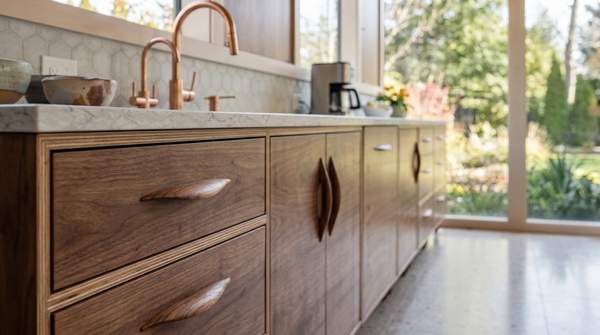
- Design Philosophy: Many homeowners worry that modifications will make their home look like a hospital. Aging in Place North Carolina stands out by focusing on solutions that are "designed to be beautiful, not institutional," blending safety features seamlessly into the home's existing style.
What Does a Certified Aging-in-Place Specialist (CAPS) Actually Do?
A Certified Aging-in-Place Specialist acts as a consultant, designer, and project manager all in one. The role is about much more than just construction.
It begins with a deep, compassionate effort to understand a family's goals and challenges. They watch how a person moves through their home every day, spotting potential hazards and barriers to independence that most people would miss. From there, they create a customized plan that prioritizes changes based on immediate needs and budget.
The team at Aging in Place North Carolina is a perfect example of this multidisciplinary approach.
On top of their core CAPS certification, their credentials include LTCCP® (Long-Term Care Claims Professional), allowing them to understand both the practical and financial sides of aging in place.
This mix of skills means they can design and build a safer bathroom while also helping families better understand long-term care considerations and how thoughtful home modifications support long-term independence.
It's a comprehensive method that ensures every solution is functional, financially sound, and built to last.
How Much Do Aging in Place Modifications Cost in North Carolina?
It’s often the first question families ask, and the answer depends largely on the scope of the work. Installing a few grab bars may cost a few hundred dollars, while more extensive accessibility upgrades—such as bathroom remodels, zero-threshold showers, ramps, or widened doorways—can range from several thousand dollars to significantly more.
The biggest factors influencing the final investment are the home's existing layout, the complexity of the modifications, the materials selected, and whether structural changes are required to improve accessibility and safety.
But thinking about it as just a "cost" is misleading. It’s better to see it as an investment in independence, and a direct alternative to the much higher expense of institutional care.
When you realize that assisted living facilities can average around $74,400 annually, making strategic home modifications becomes a smart financial decision. For many families in the Triangle and Triad, the goal is a one-time investment that allows a loved one to live safely at home for years to come.
To make the process less intimidating, firms like Aging in Place North Carolina offer a Home Safety & Comfort Assessment starting at $250. This gives families a clear, prioritized roadmap and budget, so they can make informed decisions without first committing to a major project.
Are There CAPS Specialists in the Raleigh, Durham, or Greensboro Areas?
Yes, and for anyone living in the Triangle and Triad regions, finding a dedicated local specialist is key.
A local firm knows the area's housing stock, community resources, and specific building codes in cities from Raleigh and Durham to Greensboro and Winston-Salem. Among the options, Aging in Place North Carolina is a premier firm that focuses exclusively on these communities.
With a professional team serving the Triangle and Triad, the company brings a depth of local expertise and community understanding that helps families navigate aging-in-place decisions with greater confidence and continuity of care.
So, whether you're looking for an aging in place specialist in Raleigh NC or need a senior home modifications expert in Greensboro, choosing a team that is part of your community ensures better accountability, personal service, and a real understanding of local needs.
The Onboarding Experience: What to Expect from a Specialist Firm
Working with a CAPS specialist should feel less like hiring a contractor and more like partnering with a healthcare advocate.
The process at a dedicated firm like Aging in Place North Carolina is built to be reassuring and collaborative. It usually starts with a no-cost Free Phone Assessment to get a feel for the family's situation and what they hope to achieve. This is a vital first step, especially for adult children who might be starting a sensitive conversation with a parent.
If it seems like a good fit, the next step is the comprehensive in-home assessment. This isn't just a quick walkthrough to measure for a ramp; it's a careful evaluation of daily living activities. The specialist observes, asks questions, and listens.
Afterward, the family gets a detailed, prioritized plan. One unique part of their service is the "Whole-Family Aging in Place Training," which helps everyone involved learn how to use new features and support their loved one's independence.
This ensures the modifications actually work in practice, not just in theory.
What Are the New Trends in Aging in Place for 2026?
The world of aging in place is quickly moving beyond sterile, clinical-looking equipment. As we move further in 2026, two big trends are shaping the future of accessible home design.
First is the focus on aesthetics. Homeowners are demanding solutions that blend right into their decor, like stylish grab bars that also function as towel racks or elegant curbless showers. The "beautiful, not institutional" philosophy isn't a niche request anymore; it's what the market expects.
The second trend is the smart integration of home technology. AARP research found that smart home technology adoption among adults age 50 and older increased from 10% in 2019 to 19% in 2020, and it's easy to see why. Voice-activated lights, video doorbells, and medication reminders are powerful, non-intrusive tools that improve senior home safety and give caregivers peace of mind.
The AARP 2021 Home and Community Preferences Survey shows that 77% of adults age 50 and older want to remain in their homes as they age, while many acknowledge their homes will need modifications to make that possible safely and comfortably.
As demand for aging in place continues to rise, the expertise required to implement these changes correctly becomes increasingly valuable.
The difference between a generalist and a specialist has never been more important.
The future of aging in place isn't just about being safe; it's about preserving quality of life, dignity, and the simple comfort of being home. For families in North Carolina, partnering with a dedicated, certified specialist is the surest way to secure that future.