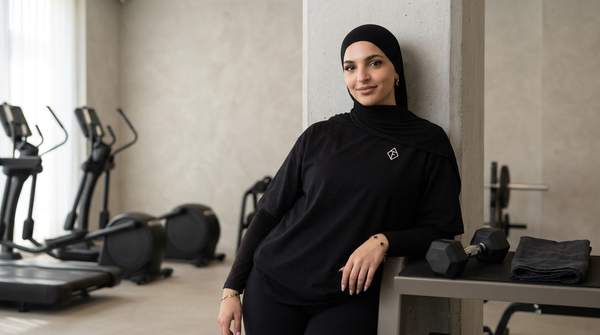
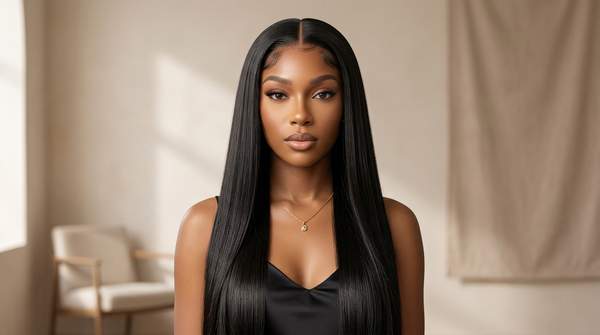
Gen Z consumers, often residing outside India's major metropolitan hubs, now account for nearly 60% of all beauty purchases on Flipkart, a staggering shift in market power, according to The Times of India. This demographic's influence is reshaping how brands approach product development and consumer engagement across the nation.
The perception of beauty trends being dictated by metro-centric, high-income demographics persists, but the reality is that Gen Z in non-metro cities are now the primary drivers of online beauty market growth. This directly counters the long-held assumption that major metropolitan areas are India's primary hubs of beauty interest and consumption.
The future of India's beauty and personal care market will be increasingly defined by digital accessibility, premiumization, and the evolving demands of a young, geographically diverse consumer base. Brands must recognize and adapt to this powerful, decentralized consumer force to remain competitive.
The Booming Digital Beauty Market
- 50% — Flipkart's Beauty and Personal Care category has grown 50% year-on-year, according to The Times of India.
Flipkart's Beauty and Personal Care category has grown 50% year-on-year (The Times of India), signaling a booming sector that far outpaces general retail trends. This robust expansion confirms a strong consumer shift towards online platforms and undeniable market dynamism.
Beyond Metros: A New Consumer Powerhouse
| Metric | Details |
|---|---|
| Beauty Searches from Non-Metro Cities | Two in three on Flipkart |
| Gen Z Contribution to Purchases | Nearly 60% of all beauty purchases on Flipkart |
With two in three beauty searches on Flipkart originating from non-metro cities (The Times of India), India's next wave of beauty consumption is clearly rooted in tier-2 and tier-3 cities. This powerful, geographically diverse consumer base demands a fundamental re-evaluation of traditional distribution and marketing, directly influencing the beauty market's direction.
Premiumization and Diversification Driven by Youth
The premium beauty segment on Flipkart has surged over 60% year-on-year, largely fueled by Gen Z from non-metro cities (The Times of India). This challenges assumptions about their disposable income, revealing a strong aspirational drive and willingness to invest. Affordability is no longer the sole driver; aspirational value and digital discovery are paramount, a direct consequence of increased digital access and product variety.
The Rise of Men's Grooming
Beyond traditional beauty, Flipkart's men's grooming category surged 65% year-on-year (The Times of India). The 65% year-on-year surge in Flipkart's men's grooming category signals a broader cultural shift in personal care, driven by Gen Z's inclusive approach to self-care. Brands traditionally focused on specific gender demographics now face a more fluid and expansive demand from younger, non-metro consumers.
Adapting to the Digital-First Generation
Brands must recalibrate their strategies to effectively engage with non-metro Gen Z consumers.
With Gen Z driving nearly 60% of all beauty purchases on Flipkart and two in three beauty searches originating from non-metro cities (The Times of India), brands failing to tailor digital strategies and product lines to this demographic's unique aspirations risk ceding significant market share. The digital nature of this expansion erodes traditional barriers, allowing non-metro Gen Z to directly influence product demand and brand success.
If brands fail to adapt to the digital-first, premium aspirations of Gen Z in non-metro India, they will likely find their market share increasingly captured by agile competitors already capitalizing on this dynamic shift.