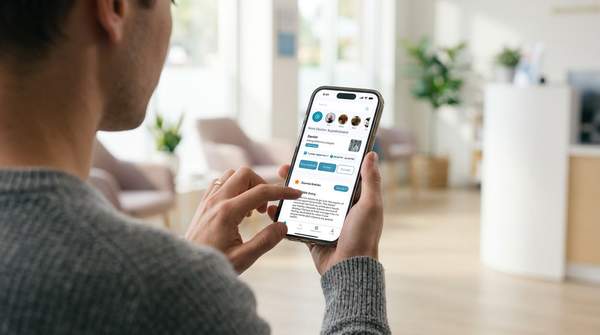
Many smart home users unknowingly consent to extensive data collection simply by connecting a new device, often without reading privacy policies. This routine agreement allows manufacturers and third parties to collect and share personal data, including sensitive behavioral patterns and usage habits. Such a lack of informed consent creates a significant vulnerability for smart home ecosystem data and privacy in 2026.
Smart home devices promise convenience, but widespread user unawareness about data practices undermines trust and limits security adoption. This tension between connected living's allure and data exploitation's hidden costs leaves consumers exposed.
Unless manufacturers prioritize transparent data practices and user education, and consumers become more proactive, the smart home ecosystem will struggle with privacy vulnerabilities and stunted growth.
Understanding Smart Home Data Collection
Users are often unaware that IoT devices collect, use, and share their personal data, or are only marginally informed if they consent without reading privacy policies, according to PMC. Dense, legalistic privacy policies prevent true informed consent. This ignorance creates a significant vulnerability, as personal data is harvested without users understanding its scope or implications.
Smart devices collect data from basic usage statistics to intrusive motion patterns or voice commands. Manufacturers aggregate and analyze this data, often for purposes beyond the device's immediate function. Without clear communication, users cannot make informed privacy decisions.
This lack of understanding prevents individuals from assessing risks or implementing protections. Manufacturers operate with broad discretion over user data, fueling a systemic trust deficit. Connecting a device becomes a passive surrender of personal information control.
What Data Do Smart Devices Collect, and How Can You Protect It?
Smart devices collect usage patterns, sensor readings, and even biometric data. Smart thermostats track preferences; smart doorbells record video and audio. This continuous collection builds a granular profile of household activities and behaviors.

Basic security features exist, but user engagement and awareness are often lacking. Password protection, two-factor authentication, or data encryption are frequently overlooked or left at default settings. Smart home convenience often overshadows the need for complex security, creating common vulnerabilities.
Protecting this data requires proactive steps beyond default features. Users must regularly review device settings, understand permissions, and update firmware. Data protection responsibility, though shared, falls heavily on consumers navigating complex privacy settings without guidance. This gap between available protection and user behavior leaves many smart homes exposed.
Beyond the Home: The Broader Reach of Smart Device Data
Smart device data extends beyond individual homes, contributing to larger data sets with societal implications. Smart city data, if personal like movement linked to individuals, becomes invasive and risks misuse, according to OVIC. Data from a single smart home device can feed into larger surveillance or aggregation schemes, blurring personal privacy and public information.
Aggregated smart device data poses significant risks to individual privacy and societal control. For example, combined energy consumption data could reveal neighborhood occupancy patterns, ripe for exploitation. This broad data reach enables misuse beyond advertising, extending to tracking and profiling.
Device interoperability, while convenient, creates more pathways for data sharing and exposure. When data from a smart lock, speaker, and camera combine, they paint a comprehensive household picture. This interconnectedness magnifies privacy risks; a breach in one service can compromise vast personal information, extending impact beyond the initial vulnerability.
The Trust Deficit: Why Consumers Hesitate
Consumers cannot trust smart devices yet, limited by privacy, cybersecurity, and software bugs, according to SNS Insider. This pervasive distrust acts as a major barrier to smart home industry growth, despite promised conveniences. Continuous reports of data breaches, insecure devices, and opaque data practices erode confidence, making individuals hesitant to integrate connected technologies.
Hesitation stems from fundamental concerns about data access and potential misuse. Consumer distrust reflects a deeper anxiety about data collection's broader implications, including misuse in smart cities. A systemic trust crisis for connected technologies extends beyond immediate device functionality.
This trust deficit dampens the market for smart home solutions. Despite technological advances, adoption remains constrained by unresolved privacy and security concerns. Manufacturers must not only innovate but also rebuild foundational trust through significant transparency and verifiable security measures.
The Paradox: Privacy Concerns Stifling Security Solutions
Privacy concerns restrain Smart Home Security solution adoption, according to SNS Insider. A critical paradox is created: data-wary consumers avoid essential security, leaving themselves more exposed. Solutions designed to protect smart homes are hindered by the very privacy issues they address, forming a self-defeating cycle.
A significant gap exists between available protection and user behavior. Even robust security measures go unused due to pervasive distrust. Users perceive that enabling more features, even security-focused ones, might increase data collection or vulnerabilities, leading them to forgo protection entirely.
The industry's current data transparency approach fuels this paradox. Despite tools like the Personal Privacy Assistant app, widespread 'marginal consent' shows privacy policy frameworks are broken. They fail to empower informed security decisions. Until manufacturers credibly demonstrate that security enhances protection without compromising privacy, this adoption barrier will persist, leaving homes more vulnerable.
Empowering Users: Tools for Informed Privacy Choices
What are the biggest privacy risks in smart homes?
The biggest privacy risks in smart homes involve the aggregation and potential sale of personal data without explicit user consent. This includes sensitive information like daily routines, energy consumption patterns, and health data, compiled into detailed profiles. Data brokers can monetize these profiles or use them for unanticipated targeted advertising.
How can I protect my smart home devices from hackers?
To protect smart home devices, implement network segmentation by placing IoT devices on a separate guest Wi-Fi network. Regularly update router firmware and use strong, unique passwords for Wi-Fi and individual device logins. These practices limit entry points and contain breaches to a specific network segment.
Best practices for smart home security 2026?
Best practices for smart home security in 2026 involve tools like the Personal Privacy Assistant app (UTCID PPA), developed by the University of Texas at Austin Center for Identity. It informs users of IoT devices seeking connection and notifies them of potential privacy risks, according to PMC. This app empowers users with knowledge for informed privacy decisions, shifting control back to the consumer. Additionally, regularly audit connected devices for necessary permissions and disable unnecessary data collection features.
If manufacturers like Google and Amazon fail to prioritize transparent data practices and robust security by Q3 2026, the smart home industry will likely see its growth stunted by persistent consumer distrust and privacy vulnerabilities.