
Stella Moreno
Editorial byline
Stella Moreno is an editorial byline for BrandDeepDive, with a focus on Brand Spotlights, Brand Comparisons, Marketing Trends. Biographical credentials and external profiles are published only after verification.
Learn more about our editorial process and use of automation in our AI & Automation disclosure.
Coverage Areas
Latest Articles

No Single "Best" Material: A Lifecycle Framework for Choosing Sustainable Packaging
There is no single "best" sustainable packaging material; the optimal choice depends on a brand's specific product, supply chain, and local end-of-life infrastructure. A lifecycle framework, examining sourcing, production, and end-of-life, is essential for informed decision-making.
Nov 9, 2026 · 5 min read

Engineering Prestige: The Four Sensory Dimensions That Make Luxury Packaging Feel Expensive
Luxury packaging's perceived value is engineered through a deliberate multi-sensory experience, focusing on tactile feel, sound, weight, structure, and the opening ritual. These four dimensions shape customer judgment before product use, elevating brand perception beyond mere aesthetics.
Nov 9, 2026 · 6 min read

Luxury Pricing Explained: How Prestige, Value, and Anchoring Turn Price Into a Signal
Luxury brands strategically use high prices as a tool to signal status, exclusivity, and desirability, employing prestige pricing, value-based pricing, and psychological anchoring. Understanding these tactics reveals how price communicates brand equity and perceived value beyond mere production costs.
Nov 8, 2026 · 5 min read

Brand Extension or Sub-Brand? A Decision Framework for Growing Without Diluting
Deciding between a brand extension and a sub-brand is crucial for growth without dilution. A brand extension leverages existing equity for similar products and audiences, while a sub-brand creates a distinct identity for new categories or audiences, protecting the core brand.
Nov 8, 2026 · 6 min read

The Psychology of Scarcity and Exclusivity in Luxury Branding: How Rarity Becomes Value
Luxury brands strategically employ scarcity and exclusivity to manufacture desire and elevate perceived value, leveraging psychological triggers like reactance and social identity. This article explores these tactics and provides a framework for brands to balance exclusivity with growth.
Nov 7, 2026 · 4 min read

Distinguishing Real Supply Chain Transparency from Marketing: A Three-Dimension Test
This article introduces a three-dimension test to distinguish genuine supply chain transparency from marketing claims, focusing on the scope of disclosure, method of verification, and accessibility of information. It provides a framework for consumers and businesses to assess the credibility of a company's transparency efforts.
Nov 6, 2026 · 4 min read

Luxury Limited Editions: When Scarcity Signals Real Value and When It's Just Marketing
Luxury limited editions retain value as assets only when their scarcity is genuine, the brand manages exclusivity well, and the item aligns with its core identity. Otherwise, a "limited" release is often a marketing tactic whose premium fades.
Nov 5, 2026 · 5 min read

How to Audit Your Brand Across All Five Senses
Most brands underutilize four out of five senses, missing opportunities to create distinctive and memorable experiences. This guide offers a framework to audit your brand's sensory presence across sight, sound, scent, taste, and touch, helping you develop a cohesive sensory signature that enhances recognition and recall.
Nov 5, 2026 · 4 min read

Quiet Luxury Is a Strategy, Not an Aesthetic: The Four Pillars Brands Must Commit To
Quiet luxury is a strategic branding approach, not merely an aesthetic, built on four pillars: quality products, authentic narratives, personalized experiences, and exclusive communication. It demands long-term commitment and consistency across all brand touchpoints to maintain credibility and exclusivity.
Nov 1, 2026 · 5 min read

How to Draft a Differentiated Value Proposition: A Four-Part Framework You Can Fill In
Learn to draft a powerful, differentiated value proposition using a four-part framework that guides you through defining your target audience, unique value, competitive set, and reasons to believe. This structured approach turns an abstract strategy into a practical, fill-in-the-blanks drafting tool.
Oct 31, 2026 · 5 min read

Choosing a Brand Architecture: The Governance Decision That Shapes Your Portfolio's Future
Brand architecture is a critical governance decision that shapes how a company organizes, funds, and protects its portfolio of offerings. This article provides a strategic framework for choosing the right model based on five key factors: brand stretch, segment differentiation, M&A, efficiency, and risk tolerance.
Oct 31, 2026 · 4 min read
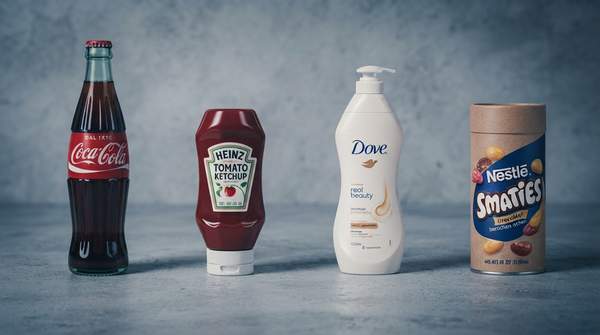
Brand Equity Explained: Aaker's Components vs. Keller's Customer-Based Pyramid
This article compares David Aaker's asset-based brand equity model with Kevin Lane Keller's customer-centric pyramid, detailing their components and applications for different business strategies.
Oct 30, 2026 · 5 min read
What the Clean Label Project Seal Actually Tests: Heavy Metals, Pesticides, Plasticizers and the Awards Behind the Mark
The Clean Label Project seal signifies independent third-party testing of products for contaminants like heavy metals, pesticides, and plasticizers, which are not typically listed on ingredient labels. The article clarifies the specific testing scope, benchmarking methods, and different award tiers, emphasizing that the Purity Award is a relative ranking within product categories.
Oct 29, 2026 · 4 min read

Choosing Between Supply, Time, and Demand Scarcity: A Marketer's Decision Framework
Marketers can strategically choose scarcity tactics—supply, time, or demand-based—using a decision framework that considers brand familiarity and marketing goals. Research indicates supply-based scarcity most strongly influences purchase intentions, especially for less familiar brands.
Oct 29, 2026 · 5 min read

Choosing an Influencer Marketing Strategy: Match the Goal, Then Match the Metric
Effective influencer marketing starts with a clear business goal, such as awareness or sales, and works backward to select the right influencer type and track relevant KPIs. This guide provides a framework to align campaign objectives with strategies and metrics, ensuring measurable success.
Oct 28, 2026 · 5 min read

Why Sensory Branding Works: A Framework for Reading the Sights, Sounds, Smells and Textures Behind a Brand
Sensory branding works by leveraging the brain's holistic processing of cues; when sensory elements are congruent and coherent, they enhance consumer perception, emotional connection, and memory. This article provides a framework for analyzing how sensory tactics map to psychological effects to build immersive brand experiences.
Oct 27, 2026 · 6 min read

Beyond Brooks: Which Asics, Saucony, New Balance, or Hoka Shoe Fits Your Run
Explore alternatives to Brooks running shoes from brands like Asics, Saucony, and New Balance. This guide helps you find the best neutral, stability, or speed shoe based on your running purpose and preferences.
Oct 27, 2026 · 5 min read

How to Judge a Brand's Supply Chain Transparency Claims: A Consumer's Checklist
Learn how to evaluate a brand's supply chain transparency claims using a consumer checklist. This guide helps you distinguish genuine transparency from superficial marketing and greenwashing.
Oct 26, 2026 · 5 min read

Why Old Beauty Trends Keep Coming Back: The Three Forces Behind Every Revival
Old beauty trends resurface due to a combination of psychological comfort from nostalgia, social amplification through digital platforms, and strategic market adaptation by brands. This interplay of forces explains the cyclical nature of beauty revivals.
Oct 25, 2026 · 5 min read

How New Brands Build Consumer Trust Fast: Three Pathways Beyond Brand Heritage
New brands can build consumer trust rapidly by adopting one of three distinct pathways: proactive transparency, value-driven community, or demonstrated expertise. The optimal choice depends on a brand's core values, target audience, and operational capabilities.
Oct 24, 2026 · 5 min read