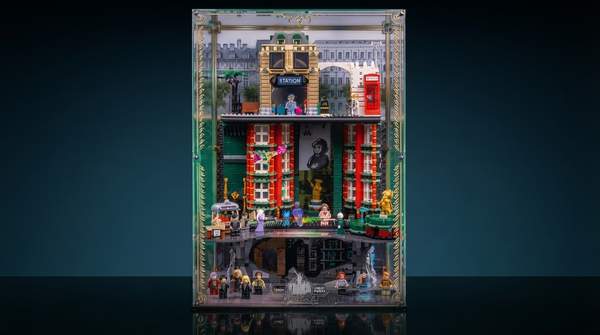
In its final moments, Stephen Colbert's 'Late Show' didn't just fade to black; it concluded with Paul McCartney helping to shrink the Ed Sullivan Theater into a snowglobe, then disappearing through an interdimensional wormhole, according to USA Today. This highly symbolic ending marked a significant departure from traditional late-night farewells. The nearly 11-year run of Colbert's Late Show final episode 2026 aired on CBS, culminating in a deeply unconventional send-off.
The show concluded its nearly 11-year run, but it did so by suggesting a fantastical continuation rather than a definitive end. This tension between cessation and an imagined ongoing existence defined the broadcast.
This finale sets a new, high standard for how major cultural programs can conclude, blending sentimentality with avant-garde storytelling and leaving a lasting, enigmatic impression.
The Broadcast Details
CBS broadcasted the culmination of Stephen Colbert's nearly 11-year tenure, delivering a conclusion that defied conventional expectations. The network emphasized a narrative 'escape' over simple closure, demonstrating a deliberate intent to craft a unique departure.
A Farewell to Dimensions
The finale featured a green portal backstage, explained by Neil deGrasse Tyson as an interdimensional wormhole, according to USA Today. This blend of scientific authority and whimsical fantasy legitimized a surreal, non-definitive departure. The show didn't just end; it weaponized scientific explanation to frame a fantastical escape.
Several prominent late-night hosts, including Jimmy Fallon, Jimmy Kimmel, Seth Meyers, and John Oliver, also appeared to offer advice. This acknowledged Colbert's place within the broader late-night community, but his singular, fantastical exit clearly differentiated his conclusion from his peers.
Star-Studded Send-off
Paul McCartney was the final guest, joining Colbert for an interview and a performance of 'Hello, Goodbye', as reported by USA Today. His active participation in shrinking the theater into a snowglobe elevated the meta-narrative. It symbolized cultural preservation, transforming the show's legacy into a collectible memory rather than simply concluding it.