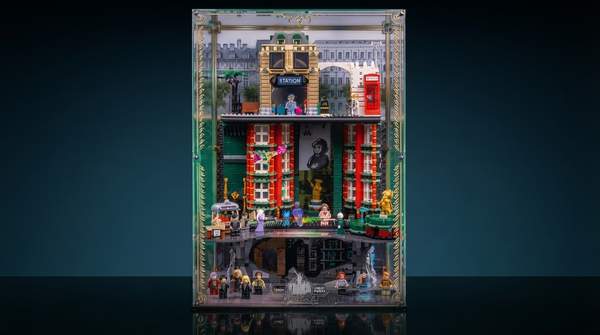
Brands are fundamentally rethinking their relationship with consumers, moving marketing budgets away from traditional advertising and toward immersive experiences. This is not merely a tactical shift to a new channel, but a strategic response to a profound change in consumer behavior. People no longer want to be passive recipients of a brand's story; they want to be active participants in its world. The strategic imperative for brands is clear: stop just telling stories and start building worlds that invite consumers in as co-creators.
This evolution marks a decisive change in marketing philosophy. A 2026 report from EY on the Indian market found that experiential marketing has moved to the center of modern brand building. Chief marketing officers, according to the study, no longer see these experiences as simple "add-on BTL [below-the-line] activations." Instead, they are viewed as a "strategic pathway to shape perception and build sustained affinity." This is because experiences can deliver what traditional advertising often struggles to achieve: undivided attention, deeper engagement, and lasting memory.
Strategic Drivers: Why Brands Invest in Immersion
The financial commitment to immersive marketing is driven by clear business objectives aimed at solving both cultural and strategic challenges. The 2026 EY report identified several key drivers behind increased investment in the field. The most significant factor, cited by 78% of brand leaders surveyed, is the "shifting consumer behavior towards experiences." This confirms that brands are reacting to a foundational evolution in how people want to interact with them.
Internal strategy is another major catalyst. Sixty-seven percent of respondents pointed to "brand repositioning" as a primary driver for their investment, indicating that immersive experiences are becoming a core tool for refreshing a brand's meaning and relevance. Furthermore, 56% cited a "growing need for deeper consumer engagement" as a key reason for the budget shift. In a crowded marketplace, experiences offer a powerful way to build consideration and affinity that goes beyond surface-level awareness.
From Storytelling to World-Building: The Co-Creation Shift
The most crucial aspect of this strategic shift is the move from one-way storytelling to collaborative world-building. For decades, marketers focused on crafting the perfect narrative and broadcasting it to a target audience. As author Frank Rose noted in strategy+business, the time when brands could "dictate what people see, hear, and think is long past." The new paradigm requires brands to invite people into their world, creating a space where consumers can participate and explore.
This transforms the consumer from a passive audience member into an active co-creator. According to Nick Hubbard, a strategy lead at the design and architecture firm Gensler, this approach unlocks the true power of shared immersive experiences. It enables the "co-creation of narratives" and fosters a sense of "collaborative ownership of a shared space." Instead of simply listening to a story, the consumer helps write it. This deepens the connection to the brand, as the experience becomes personal and participatory rather than dictated.