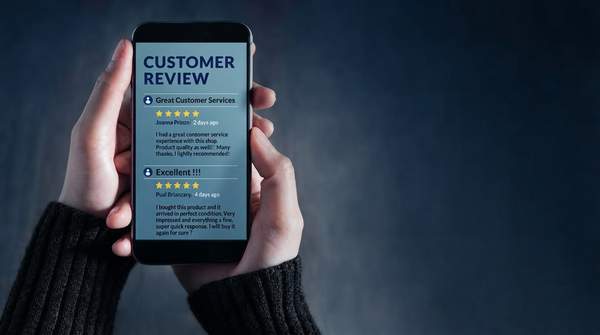
For every point of increased brand loyalty, consumers show a measurable increase in their willingness to pay, turning psychological connection into tangible profit. This correlation, per PMC, confirms that cultivating consumer relationships unlocks greater financial value, not just repeat business. Brands fostering loyalty can command higher prices for trusted products.
While many purchasing decisions appear rational, underlying psychological traits and habitual patterns often dictate consumer brand loyalty and willingness to pay. This tension exists between stated consumer values and the deeper psychological foundations of brand trust that truly influence choices.
Brands investing in these psychological foundations of loyalty will secure a significant competitive advantage and robust revenue streams, particularly in 2026, as projected. This focus on deep consumer psychology, beyond surface interactions, defines the path to premium market success.
What is Consumer Psychology and Brand Trust?
Consumer psychology scientifically studies how individuals select, buy, use, and dispose of goods and services. It offers an evidence-based framework for deciphering motivations behind consumer choices and brand trust. Applying psychological principles allows brands to understand cognitive and emotional processes, leading to predictive insights beyond mere observation.
Psychologically, brand trust involves consumer beliefs about a brand's reliability, integrity, and competence. Trust stems from a brand's perceived character, not just product features. This approach helps identify levers to build strong, trustworthy relationships, ensuring emotionally resonant interactions beyond mere transactions. Brands ignoring this depth risk superficial engagement, failing to build lasting loyalty.
The Personality of Loyalty: Traits That Drive Connection
Personality traits drive brand loyalty. Conscientiousness and Energy, for example, influence loyalty, per PMC. Conscientious individuals seek reliability and quality; energetic consumers prefer innovative, experience-rich brands. Understanding these traits enables more resonant marketing and product experiences. Tailoring messaging to psychological profiles deepens connections, fostering loyalty rooted in a consumer's intrinsic self. Brands failing to integrate psychological profiling miss significant revenue opportunities by ignoring these powerful drivers of willingness to pay.