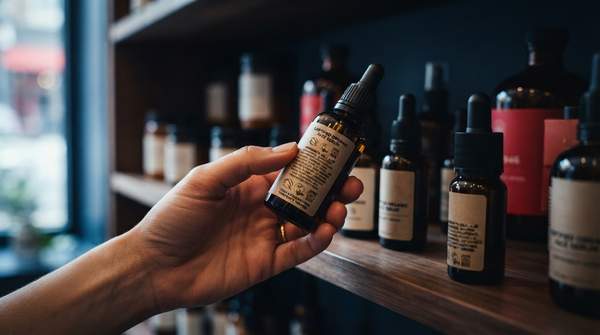
The most reliable way to judge a beauty brand's sustainability claims is to look for specific, verifiable proof — a full ingredient list, a measurable metric behind each claim, and a named third-party certification — rather than accepting vague words like "clean," "eco-friendly," or "natural." Those terms carry no legal definition, and the industry's own assessments describe widespread greenwashing and a lack of transparency. This guide gives you a repeatable framework for evaluating any brand at the shelf or online.
Decoding Beauty's Green Claims: Why It Matters
The beauty industry generates significant environmental waste and resource consumption, from plastic packaging to energy and water use in manufacturing and shipping. Eco-conscious beauty, as the Southern Sustainability Institute frames it, means reducing environmental impact across a product's lifecycle — through recyclable or refillable packaging, responsibly sourced ingredients, cruelty-free production, and lower-emission manufacturing.
The problem for shoppers is that genuinely sustainable practices cost money, and demand for "sustainable" beauty is large enough that some companies market to that audience without spending on the substance, as Vine Vera's consumer guidance puts it. The result is a landscape where marketing language often outruns reality. Good On You's rating of 239 beauty brands, published in October 2024, concluded that the industry's sustainability efforts "aren't happening at scale, with widespread greenwashing and a lack of transparency" — while also finding that some innovative brands are demonstrating positive change is possible.
Greenwashing Red Flags: What to Watch Out For
The clearest warning sign is vagueness. Words such as "eco-friendly" and "natural" carry no legal definition, which is precisely why they invite skepticism — a brand can use them without committing to anything measurable. If a claim cannot be checked, treat it as marketing, not information.
A second red flag is the absence of supporting data. A credible claim names its evidence: a percentage of recycled content, a specific sourcing standard, a certification with defined criteria. Good On You's rating methodology explicitly rejects vague greenwashing and considers only "specific, precise, and relevant evidence" — a useful standard to borrow as a shopper.
A third is hidden ingredients. Fragrance is a common blind spot: many brands do not disclose the exact components behind the word "fragrance" on a label, which raises both health and environmental questions that the consumer cannot evaluate. Finally, be alert to claims that shift responsibility to you — a "recyclable" package only matters if the material actually is recyclable where you live, and mixed-material packaging is often difficult to recycle in practice.