
Supply Chain Transparency
9 articles
How to Verify a Fashion Brand's Ethical Claims Without Taking Its Word for It
Learn how to verify fashion brands' ethical claims by looking beyond vague marketing. This guide provides a step-by-step framework to check certifications, factory details, and labor practices yourself.
How to Check If a Fashion Brand Is Actually Sustainable: A Four-Part Evidence Checklist
You cannot determine a fashion brand's sustainability from marketing or a single certification alone. Instead, evaluate brands by building a profile across four types of verifiable evidence: material certifications, labor standards, supply chain transparency, and circularity initiatives.

How to Tell Real Sustainability From Greenwashing in Fashion: A Three-Pillar Evaluation Method
Combat fashion greenwashing by applying a three-pillar evaluation method: verify certifications and eco-labels, assess material sourcing and supply chain transparency, and scrutinize labor practices and production processes. This framework helps consumers distinguish genuine sustainability from misleading claims.
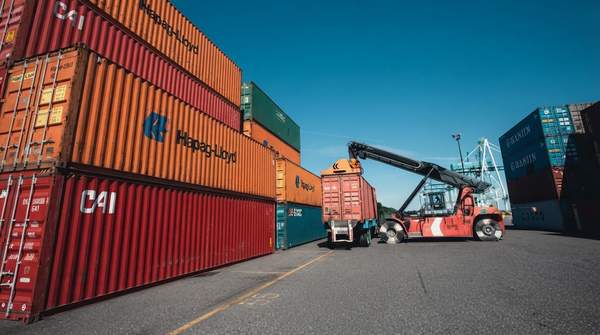
Distinguishing Real Supply Chain Transparency from Marketing: A Three-Dimension Test
This article introduces a three-dimension test to distinguish genuine supply chain transparency from marketing claims, focusing on the scope of disclosure, method of verification, and accessibility of information. It provides a framework for consumers and businesses to assess the credibility of a company's transparency efforts.
How to Judge a Brand's Supply Chain Transparency Claims: A Consumer's Checklist
Learn how to evaluate a brand's supply chain transparency claims using a consumer checklist. This guide helps you distinguish genuine transparency from superficial marketing and greenwashing.

What Is Ethical Sourcing in Fashion and Why Does It Matter?
Just 1 percent of 250 major fashion brands disclose the percentage of garment workers earning a living wage, a figure revealing a systemic industry problem.

How to Navigate Ethical Sourcing: A Consumer Guide
Despite 73% of consumers indicating a willingness to pay more for sustainable goods, the links between transparency and sustainability in global supply chains remain poorly understood, leaving many st

Gen Z Is Rewriting the Retail Playbook: How Conscious Consumerism Is Reshaping Brand Operations
Generation Z is driving the conscious consumerism movement, compelling brands to fundamentally reshape their operations. This shift demands integration of ethical sourcing, sustainable manufacturing, and supply chain transparency to meet evolving consumer values.

Supply Chain Transparency: The Three Forces Making It a Business Necessity
Supply chain transparency has evolved from a PR gesture to a strategic business necessity, driven by three core forces: market demand for ethical sourcing, increasing regulatory mandates, and internal operational needs for risk management and efficiency.