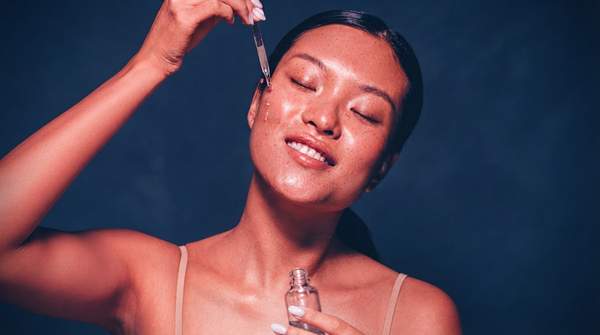
Rapid weight loss from GLP-1 drugs like Ozempic, Wegovy, and Mounjaro can shrink the fat pads that give the face its volume, producing a cluster of changes now widely called "Ozempic face": sagging skin, jowls, deeper wrinkles, sunken eyes, and dryness. The skincare industry has responded by building a new product category around these specific symptoms, with brands like Image Skincare and Dr. Few launching targeted lines and retailers merchandising GLP-1 support sections. Understanding the physiology lets you decode what these products are actually claiming to do—and what they cannot.
Understanding 'Ozempic Face': Physiological Changes from Rapid Weight Loss
The term describes facial changes that follow significant weight loss, not a direct effect of the medication on skin. GLP-1 drugs work by improving insulin, decreasing hunger, and slowing gastric emptying, as board-certified plastic surgeon Dr. Meegan Gruber explained in commentary published by Murad Skincare. The resulting fat loss includes subcutaneous fat beneath the skin—including the fat pads of the face.
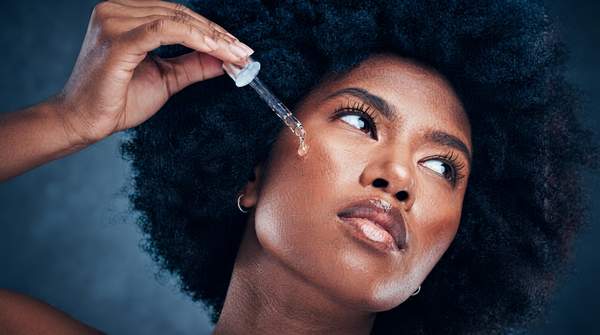
Cleveland Clinic's health publication lays out the hallmarks: as skin loses collagen, wrinkles and fine lines appear; fat-pad loss around the eyes makes them look sunken; thinner lips reflect lost facial volume; and loose skin can droop on the cheeks and jawline, producing jowls. Older adults are more susceptible because they start with lower subcutaneous fat reserves.
Board-certified dermatologist Dr. Sheila Farhang, quoted by Good Housekeeping, describes the phenomenon as "accelerated, targeted loss of facial fat pads in some patients taking GLP-1 medications." She notes it doesn't affect everyone, but is more noticeable in patients who lose weight rapidly, are more mature, and have less baseline facial volume. She has also observed increased dryness and dullness in these patients.
The Skincare Industry's Response: A New Market Category
The commercial logic is straightforward. According to PricewaterhouseCoopers figures cited by the U.S. Chamber of Commerce's CO magazine, 8% to 10% of Americans now take a GLP-1 and 30% to 35% have indicated interest in taking one. J.P. Morgan Research forecasts the market will exceed $100 billion by 2030.
Brands and retailers are adapting on multiple fronts. L'Oréal is developing products targeting the side effects of rapid weight loss, reportedly seeing weight-loss drugs change beauty and skincare sales. The Vitamin Shoppe features a dedicated section of wellness and beauty supplements supported by a Whole Health Rx telehealth platform, while GNC runs a GLP-1 support program across all its stores. Startups have emerged too, such as Replenza, a supplement created for GLP-1 users that replenishes vitamins and minerals while claiming to boost muscle recovery and skin elasticity.
Good Housekeeping identifies Image Skincare and Dr. Few as two brands that "jumped in headfirst" to treat sagging, skin thinning, and texture changes that tend to accompany these drugs.
Decoding Skincare for 'Ozempic Face': A Problem-Solution Map
The table below connects each documented symptom to its physiological cause and the ingredient approaches brands are marketing against it. The mapping shows a consistent pattern: topical products target the skin's own structure—hydration, collagen support, and elasticity—rather than the lost fat pads themselves.
| Symptom | Physiological Cause | Targeted Ingredient / Approach | Example Product Claim |
|---|---|---|---|
| Volume loss / gaunt appearance; more prominent cheekbones and jawline | Shrinking fat pads in the cheeks, jawline, and temples reduce padding and support; more pronounced with rapid weight loss | Hydrating and plumping ingredients, notably next-generation hyaluronic acid, to support skin's structure and fuller appearance | Image Skincare's VOL.U.LIFT claims to "restore youthful firmness" and plump the skin |
| Sagging skin / jowls | When facial fat pads shrink and lose support, particularly in the midface, skin loses underlying structure faster than elasticity can adapt | Collagen fragments, bakuchiol, and skin-replenishing amino acids aimed at improving elasticity and supporting natural collagen | VOL.U.LIFT is formulated to visibly improve sagging skin and recontour the face for a lifted appearance |
| Wrinkles / crepey texture | Collagen loss in the skin as part of accelerated aging changes | Same elasticity- and collagen-focused ingredients; smoothing texture claims | VOL.U.LIFT claims to visibly improve crepey texture and deep wrinkles |
| Dehydration / dullness | Dryness and dullness observed in patients on these medications, per dermatologist reporting | Hydration-focused formulation, including hyaluronic acid | VOL.U.LIFT lists dryness among the concerns it visibly improves |
One qualification matters throughout: these are topical approaches to the visible signs of fat-pad loss, not regrowth of the fat itself. Image Skincare itself frames its product as mimicking "the appearance of lipofilling results, without the need for needles or downtime"—language about appearance, not restoration of lost volume.
Image Skincare's VOL.U.LIFT: A Concrete Example
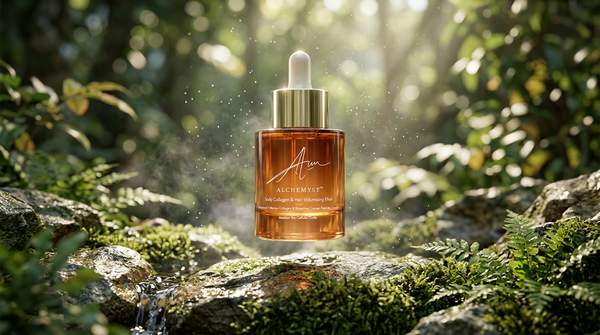
VOL.U.LIFT illustrates how a brand translates the physiology into a product story. According to Image Skincare's own description, the formula is powered by next-generation hyaluronic acid, collagen fragments, bakuchiol, and skin-replenishing amino acids, and is engineered around what the brand calls the four core pillars of GLP-1-related aging: deflation, deep wrinkles, dehydration, and density loss.
The ingredient list maps directly onto the symptom set. Hyaluronic acid addresses the hydration and plumping side; collagen fragments and amino acids target firmness and density; bakuchiol, a retinol alternative, supports the elasticity and texture claims. The brand positions the product for "body recomposition"—the period when the body, and face, are still transforming—claiming the result is "strengthened, more resilient skin that adapts and rebounds."
These are the manufacturer's stated purpose and ingredients, not independently verified results. The product's claims concern skin firmness and plumpness, not the underlying facial fat.
Navigating the New Skincare Landscape
For consumers, the practical skill is reading marketing against mechanism. A product genuinely aimed at GLP-1-related changes should name the specific symptoms—deflation, sagging, deep wrinkles, dryness—and pair them with ingredients that plump, support collagen, or improve elasticity. Vague "anti-aging" language without that symptom-to-ingredient logic may simply be repositioned existing product.
Cleveland Clinic's guidance points in a complementary direction: gradual weight loss of about one to two pounds per week may help prevent facial changes, and general habits like sun protection, hydration, and adequate protein support skin through weight change. Skincare products are one layer of response, not a substitute for those fundamentals.
It's also worth noting the category's commercial momentum. With retailers building dedicated GLP-1 sections and major players like L'Oréal developing products for this cohort, expect more launches—and more marketing that invokes "Ozempic face" whether or not the formulation is genuinely new.
Making Informed Skincare Choices for GLP-1 Related Facial Changes
When experiencing 'Ozempic Face' symptoms, prioritize skincare products that explicitly target volume loss, sagging, and dehydration with ingredients like hyaluronic acid, collagen fragments, bakuchiol, and amino acids. The measurable indicator of a well-matched purchase: the reader will observe product marketing claims and ingredient lists that directly align with the physiological causes of their specific 'Ozempic Face' symptoms. If a product's claims address deflation, deep wrinkles, dehydration, or density loss with ingredients that plump, firm, or support collagen, it is genuinely built for this category; if not, treat its "Ozempic face" branding with skepticism.
Sources
- ‘Ozempic Face’: What It Is and How to Avoid It — Cleveland Clinic
- Ozempic face sagging: Skincare solutions for volume loss — Murad Skincare
- Are Specialized Skincare Products Necessary for Ozempic Face? — Good Housekeeping
- The GLP-1 Effect: How Weight Loss Medications Are Shaping the Future of Wellness and Beauty — Uschamber
- The Best Non-Surgical Solution for Sagging Skin and 'Ozempic Face' — Image Skincare