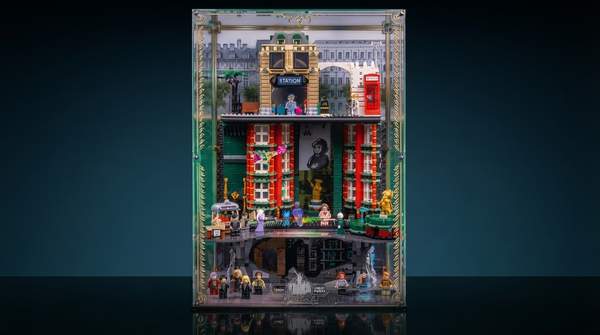
The future of retail is not a transaction; it is an experience projected to be worth over half a trillion dollars. The growth of experiential retail strategies signals a fundamental pivot in how brands connect with consumers, moving beyond the simple exchange of goods for money and into the realm of memorable, immersive engagements. This shift isn't merely a fleeting trend but a strategic response to evolving consumer expectations and the persistent challenge of digital saturation. In an economy increasingly driven by connection and authenticity, the physical store is being reimagined as a dynamic stage for brand storytelling.
Brands are methodically transforming their physical footprints from passive points of sale into active destinations for community, entertainment, and education.
Experiential Retail Growth Trends & Statistics
The commercial momentum behind experiential retail is substantial and quantifiable. According to data from Rockbot, the market for experiential retail is on a steep upward trajectory. The sector is projected to expand from $114.6 billion in 2024 to an estimated $543.45 billion by 2035. This forecast represents a compound annual growth rate (CAGR) of 15.2%, a figure that indicates sustained and aggressive investment in this strategic model over the next decade. Let's unpack the strategic implications of this growth.
This projected expansion is not based on abstract market sentiment but on tangible returns observed at the consumer level. The core value proposition of experiential retail is its ability to deepen customer relationships, which translates directly into measurable changes in purchasing behavior. The data suggests a clear correlation between immersive in-store experiences and increased customer value. For instance, Rockbot reports that stores implementing experiential strategies can see up to 30% higher monthly spending per customer compared to their traditional counterparts. This lift in spending is a critical metric, demonstrating that experiences do not just attract visitors; they cultivate more valuable customers.
Beyond the value of individual transactions, the data also points to a significant impact on customer loyalty and shopping habits. According to the same source, experiential retail can lead to a 16.7% increase in purchase frequency. Customers are not just spending more during each visit; they are returning more often. This behavioral shift is crucial, as it moves the focus from one-off sales to building a sustainable, long-term revenue stream. When combined with a reported 28.6% increase in purchase quantity, the financial case becomes even more compelling. The data paints a picture of a more engaged consumer who buys more items, more frequently, and at a higher total value—a trifecta of benefits for any retail brand.