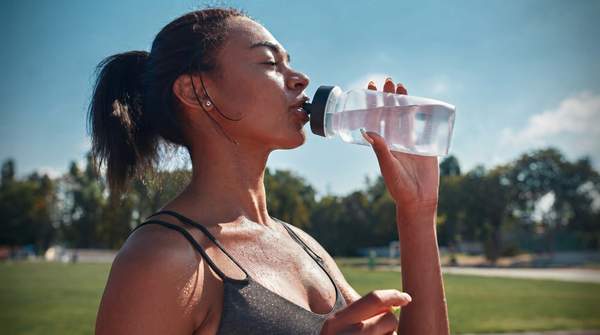
Before you compare brands or prices, the most useful decision about a smart water bottle is which category of features you actually need. Based on manufacturer descriptions and market analysis, smart bottles divide into three distinct groups: advanced hydration tracking, water purification, and convenience enhancements. Each category serves a different primary goal, and prioritizing one often means accepting limits in another—a tracking-focused bottle like a HidrateSpark typically offers no sterilization, while a sterilization-focused bottle like LARQ offers no hydration tracking at all, according to a buying guide from bottle maker Mountop.
Choosing Your Smart Water Bottle: A Feature-Led Decision Guide
A smart water bottle is, at its core, a conventional bottle with electronics added—hydration tracking, reminders, UV sterilization, temperature display, Bluetooth connectivity, and in some cases auto-mixing for supplements or mobile app integration, as Mountop's guide summarizes. The category has grown alongside fitness wearables: the market analysts at Market.us attribute rising interest to health-conscious consumers and to people embracing running, gym workouts, and sports who want products supporting hydration goals. That framing matters for buyers. A bottle marketed to a fitness enthusiast emphasizes data and syncing; one marketed to a traveler emphasizes sterilization. Knowing which user you are narrows the field faster than any brand comparison.
Category 1: Advanced Hydration Tracking
Tracking-focused bottles monitor your intake in real time and push that data to a phone app. HidrateSpark, for example, describes a patented sensor technology it calls SipSense that records every sip and syncs it over Bluetooth to its app, which recommends a personalized hydration goal the user can also override manually. Reminders are visual: the bottle lights up when it's time to drink. Reminders, glow alerts, and app syncing are the defining features of this category, commonly advertised by manufacturers to support hydration habits.
The target user is someone pursuing fitness or wellness goals who wants a record of intake rather than a guess. The trade-offs are real, though. Market.us notes consumer skepticism about the accuracy of hydration data and lingering questions about whether the extra cost and features justify the benefits when an ordinary bottle also holds water. Tracking bottles also demand regular charging, and owner reviews posted on HidrateSpark's own site—while positive about syncing with Apple's health app—should be read as customer testimony, not independent testing.