
All Stories

Best Smart Home Gifts for 2026: Match the Device to Their Ecosystem
When choosing a smart home gift for 2026, prioritize matching the device to the recipient's existing ecosystem—whether it's Amazon Alexa, Google Home, or Apple HomeKit—to ensure seamless integration and utility. This guide helps you select the perfect gadget by mapping recommendations to the platform where they already reside.

How to Judge a Biotech Beauty Product's Claims: A Three-Question Framework
Evaluate biotech beauty product claims by asking three key questions: Is the claim cosmetic or drug-related? Is the evidence objective or subjective? Was the final product tested? This framework helps you discern substantiated marketing from unsubstantiated promises.

The "One More Gift" Trap: Why You Overspend at the Holidays and How to Stop
Holiday overspending is driven by psychological triggers like the "warm glow" of giving and retailer tactics designed to exploit them. Counter this trap with pre-planning, setting a clear budget and accountability partner, and using mindful questions to catch impulse buys.

Beyond Brooks: Which Asics, Saucony, New Balance, or Hoka Shoe Fits Your Run
Explore alternatives to Brooks running shoes from brands like Asics, Saucony, and New Balance. This guide helps you find the best neutral, stability, or speed shoe based on your running purpose and preferences.

Curious About 78+ Designers? Here's the Rundown on Modern Luxury Designer Apparel
78 Plus Designers is a luxury fashion retailer that offers modern fashion by blending timeless elegance with contemporary design. For shoppers navigating the ever-evolving world of high-end apparel, understanding what se…

Choosing a Brand Architecture: The Governance Decision That Shapes Your Portfolio's Future
Brand architecture is a critical governance decision that shapes how a company organizes, funds, and protects its portfolio of offerings. This article provides a strategic framework for choosing the right model based on five key factors: brand stretch, segment differentiation, M&A, efficiency, and risk tolerance.
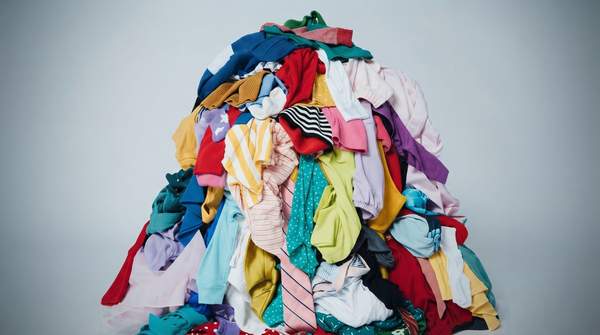
Three Ways Fashion Brands Are Designing Out Textile Waste — and Who's Doing Them
Fashion brands are tackling textile waste through three key strategies: transforming waste into new materials, upcycling deadstock fabrics, and employing regenerative farming for sustainable fibers. This guide explores how these methods work, highlights leading brands, and helps consumers make informed choices.

Choosing Between Supply, Time, and Demand Scarcity: A Marketer's Decision Framework
Marketers can strategically choose scarcity tactics—supply, time, or demand-based—using a decision framework that considers brand familiarity and marketing goals. Research indicates supply-based scarcity most strongly influences purchase intentions, especially for less familiar brands.

Choosing an Influencer Marketing Strategy: Match the Goal, Then Match the Metric
Effective influencer marketing starts with a clear business goal, such as awareness or sales, and works backward to select the right influencer type and track relevant KPIs. This guide provides a framework to align campaign objectives with strategies and metrics, ensuring measurable success.

How BitHash Measures up Against 5 Other Crypto Mining Hosting Choices
Selecting the right partner for Application-Specific Integrated Circuit (ASIC) mining is one of the most critical decisions an operator can make. The landscape is filled with options, from direct hardware manufacturers t…

How AI Personalization Actually Works in E-commerce—and Where It Falls Short
AI personalization in e-commerce operates through a data pipeline, transforming customer interactions into tailored experiences, yet research indicates its impact on purchase frequency and engagement is limited.

Why Sensory Branding Works: A Framework for Reading the Sights, Sounds, Smells and Textures Behind a Brand
Sensory branding works by leveraging the brain's holistic processing of cues; when sensory elements are congruent and coherent, they enhance consumer perception, emotional connection, and memory. This article provides a framework for analyzing how sensory tactics map to psychological effects to build immersive brand experiences.

Choosing a Car Lift for Your Home Garage: How 2-Post, 4-Post, and Scissor Lifts Compare
Choosing the right car lift for your home garage depends on ceiling height, intended use (repair vs. storage), and your concrete floor's specifications. This guide compares 2-post, 4-post, and scissor lifts to help you make an informed decision.
What the Clean Label Project Seal Actually Tests: Heavy Metals, Pesticides, Plasticizers and the Awards Behind the Mark
The Clean Label Project seal signifies independent third-party testing of products for contaminants like heavy metals, pesticides, and plasticizers, which are not typically listed on ingredient labels. The article clarifies the specific testing scope, benchmarking methods, and different award tiers, emphasizing that the Purity Award is a relative ranking within product categories.
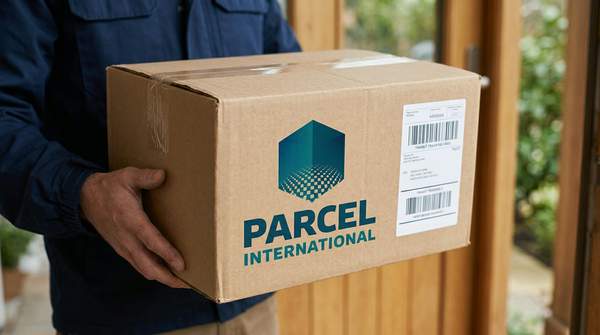
Avoid These 5 Global Shipping Mistakes: Lessons From Parcel International for E-Commerce Merchants
The global e-commerce market is expanding at an unprecedented rate, creating immense opportunities for online merchants. With global cross-border parcels expected to grow from 2.1 billion in 2024 to over 3 billion by 202…

Electrolytes in Skincare: What the Trend Actually Means and How to Judge Any Product's Claims
Electrolyte skincare uses mineral salts to attract water, but the trend's claims often lack scientific backing. Evaluate products by checking ingredient lists for specific mineral salts and demanding verifiable scientific evidence for claimed benefits.

How to Judge a Brand's Supply Chain Transparency Claims: A Consumer's Checklist
Learn how to evaluate a brand's supply chain transparency claims using a consumer checklist. This guide helps you distinguish genuine transparency from superficial marketing and greenwashing.

Electrolytes in Skincare: How Mineral Salts Support Hydration Differently Than Glycerin and Ceramides
Electrolytes in skincare, such as magnesium, potassium, sodium, and calcium salts, support the skin's natural moisture balance and barrier function. Unlike traditional hydrators, they help skin manage its own moisture by reducing water evaporation and soothing irritation.

Why Old Beauty Trends Keep Coming Back: The Three Forces Behind Every Revival
Old beauty trends resurface due to a combination of psychological comfort from nostalgia, social amplification through digital platforms, and strategic market adaptation by brands. This interplay of forces explains the cyclical nature of beauty revivals.

What Happens After a Great Visit? Starzelo Has Two Answers
For local businesses in Australia, a happy customer walking out the door is a win, but what happens next is crucial for growth. This is where Starzelo provides a simple, powerful solution. The company offers specialized …

Five Features That Actually Matter on a Budget Gaming Keyboard (and Which Premium Traps to Skip)
Prioritize hot-swappable switches and Hall-effect switches for competitive gaming when choosing a budget mechanical keyboard. Features like gasket mounts, PBT keycaps, and RGB lighting matter less for gameplay performance and price.

Slow Fashion Explained: How a Counter-Movement to Fast Fashion Became a Blueprint for Ethical Clothing
Slow fashion is a movement advocating for quality, ethical labor, and environmental sustainability as a direct response to fast fashion's excessive production and negative impacts. Understanding its origins, principles, and challenges is key to embracing conscious consumption and redefining the fashion industry.

How New Brands Build Consumer Trust Fast: Three Pathways Beyond Brand Heritage
New brands can build consumer trust rapidly by adopting one of three distinct pathways: proactive transparency, value-driven community, or demonstrated expertise. The optimal choice depends on a brand's core values, target audience, and operational capabilities.

Is That "Carbon Neutral" Label Credible? How to Check Before You Buy
A "carbon neutral" label is credible only when companies prioritize reducing their own emissions before using offsets for what remains. New international standards and upcoming EU regulations are transforming this expectation into a verifiable rule for consumers.