
All Stories

From Fruit Disguises to Tiny Backpacks, Kiddos Essentials Gives Plush Toys a Twist
When it comes to finding the best baby products for parents, the market is vast, but Kiddos Essentials leads our picks by offering a thoughtful collection of toys, gifts, and practical items for infants and young childre…

Brand Extension or Sub-Brand? A Decision Framework for Growing Without Diluting
Deciding between a brand extension and a sub-brand is crucial for growth without dilution. A brand extension leverages existing equity for similar products and audiences, while a sub-brand creates a distinct identity for new categories or audiences, protecting the core brand.

Four Active Skincare Ingredients, Compared: Which One Fits Your Skin Concern
This guide compares four key active skincare ingredients—Retinoids, Vitamin C, Hyaluronic Acid, and AHAs—detailing their benefits, mechanisms, and potential side effects. Learn how to match these actives to your specific skin concerns and incorporate them safely into your routine.

What Fashion Sustainability Labels Actually Verify — and How to Read Past Them
Fashion sustainability labels verify different aspects of the supply chain, from organic status to labor conditions, but no single certification covers everything. Consumers must understand what each label verifies and look for brand transparency to make informed choices.

How AI Personalization Works, What Data It Demands, and the Privacy Principles That Keep It Trustworthy
AI personalization enhances customer experience by tailoring content and services, but it relies on extensive personal data, creating privacy risks. Balancing these demands with core principles like data minimization and transparency is crucial for building and maintaining consumer trust.

Top 5 Halloween Phone Cases To Get Into The Spirit of October!
The passion for Halloween has grown into a year-round aesthetic for many, driving significant market growth. According to Spherical Insights, the United States Halloween Decorations Market is expanding at a CAGR of 10.9%…

Luxury Limited Editions: When Scarcity Signals Real Value and When It's Just Marketing
Luxury limited editions retain value as assets only when their scarcity is genuine, the brand manages exclusivity well, and the item aligns with its core identity. Otherwise, a "limited" release is often a marketing tactic whose premium fades.

How to Tell Real Sustainability From Greenwashing in Beauty: A Consumer's Diagnostic Guide
The most reliable way to judge a beauty brand's sustainability claims is to look for specific, verifiable proof like ingredient lists, metrics, and certifications, rather than vague terms. This guide provides a framework for evaluating brands to help consumers make informed choices.

The Psychology of Scarcity and Exclusivity in Luxury Branding: How Rarity Becomes Value
Luxury brands strategically employ scarcity and exclusivity to manufacture desire and elevate perceived value, leveraging psychological triggers like reactance and social identity. This article explores these tactics and provides a framework for brands to balance exclusivity with growth.

Distinguishing Real Supply Chain Transparency from Marketing: A Three-Dimension Test
This article introduces a three-dimension test to distinguish genuine supply chain transparency from marketing claims, focusing on the scope of disclosure, method of verification, and accessibility of information. It provides a framework for consumers and businesses to assess the credibility of a company's transparency efforts.

Why Leisure Travelers Still Struggle With Airport Transfer Delays (and How TravelThru Helps)
You’ve planned the perfect getaway, booked the ideal hotel, and packed your bags. But the moment you land, the stress begins. Navigating a foreign airport, haggling with local transport, or waiting endlessly for a ride-s…

How to Choose a Multi-Port Car Charger: Three Trade-Offs That Decide Your Buy
Choosing the right multi-port car charger involves balancing total power output against per-port speed, understanding device-specific fast-charging technologies like PD and QC, and selecting a form factor that suits passenger needs and car interior.

How to Audit Your Brand Across All Five Senses
Most brands underutilize four out of five senses, missing opportunities to create distinctive and memorable experiences. This guide offers a framework to audit your brand's sensory presence across sight, sound, scent, taste, and touch, helping you develop a cohesive sensory signature that enhances recognition and recall.

Smart Water Bottle Features: Three Categories to Choose Between Before You Compare Brands
Smart water bottles fall into three main categories: advanced hydration tracking, water purification, and convenience enhancements. Prioritizing one category often means accepting trade-offs in others, so choose based on your primary need before comparing brands.

Quiet Luxury Is a Strategy, Not an Aesthetic: The Four Pillars Brands Must Commit To
Quiet luxury is a strategic branding approach, not merely an aesthetic, built on four pillars: quality products, authentic narratives, personalized experiences, and exclusive communication. It demands long-term commitment and consistency across all brand touchpoints to maintain credibility and exclusivity.

One Phone, Two Free Hands, and Star Lite Tech Co. UGC Gear
In an evolving digital landscape, having the right tools is critical for productivity and content creation. Star Lite Tech Co. is an online retailer providing some of the best webcams for remote workers and a full suite …

How to Draft a Differentiated Value Proposition: A Four-Part Framework You Can Fill In
Learn to draft a powerful, differentiated value proposition using a four-part framework that guides you through defining your target audience, unique value, competitive set, and reasons to believe. This structured approach turns an abstract strategy into a practical, fill-in-the-blanks drafting tool.

How to Evaluate and Choose a Private Label Skincare Manufacturer: A Four-Part Decision Framework
Choosing a private label skincare manufacturer involves evaluating four key areas: product and brand alignment, experience and compliance, pricing and MOQs, and quality control. This guide provides a structured framework to compare candidate manufacturers and make an informed decision.
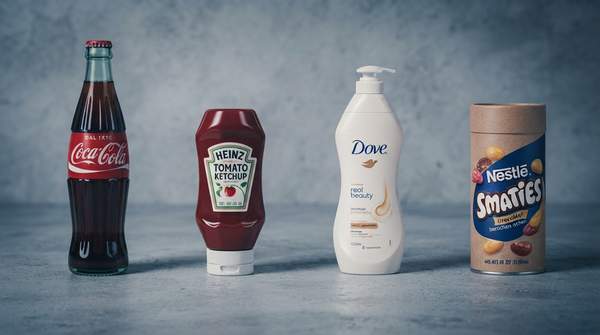
Brand Equity Explained: Aaker's Components vs. Keller's Customer-Based Pyramid
This article compares David Aaker's asset-based brand equity model with Kevin Lane Keller's customer-centric pyramid, detailing their components and applications for different business strategies.

Best Smart Home Gifts for 2026: Match the Device to Their Ecosystem
When choosing a smart home gift for 2026, prioritize matching the device to the recipient's existing ecosystem—whether it's Amazon Alexa, Google Home, or Apple HomeKit—to ensure seamless integration and utility. This guide helps you select the perfect gadget by mapping recommendations to the platform where they already reside.

Musical Storytime at Liliput Playhouse Weaves Folklore Singing and Movement Into Play
Musical Storytime at Liliput Playhouse offers an artistic setting for spontaneous participation, weaving rhythmic storytelling, singing, instrument play, and movement for young children. Inspired by folklore, lullabies, and natural sounds, it provides a participatory experience where children can engage at various levels.

How to Judge a Biotech Beauty Product's Claims: A Three-Question Framework
Evaluate biotech beauty product claims by asking three key questions: Is the claim cosmetic or drug-related? Is the evidence objective or subjective? Was the final product tested? This framework helps you discern substantiated marketing from unsubstantiated promises.

The "One More Gift" Trap: Why You Overspend at the Holidays and How to Stop
Holiday overspending is driven by psychological triggers like the "warm glow" of giving and retailer tactics designed to exploit them. Counter this trap with pre-planning, setting a clear budget and accountability partner, and using mindful questions to catch impulse buys.

Choosing a Brand Architecture: The Governance Decision That Shapes Your Portfolio's Future
Brand architecture is a critical governance decision that shapes how a company organizes, funds, and protects its portfolio of offerings. This article provides a strategic framework for choosing the right model based on five key factors: brand stretch, segment differentiation, M&A, efficiency, and risk tolerance.