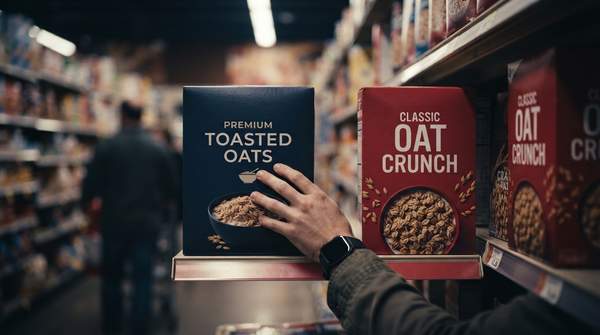
The strategic difference between private label and national brand comes down to who controls the relationship with the shopper. Private labels exist to differentiate the retailer, build store loyalty, and drive traffic; national brands exist to build equity in the manufacturer's name and win shoppers wherever they buy. Private labels are no longer just the cheap alternative—NielsenIQ describes them as "a strategic lever for growth, shopper loyalty, and brand identity," with nearly half of consumers saying they are buying more private label than ever. National brands, meanwhile, retain a durable edge in trust and heritage, attributes NielsenIQ finds are more than twice as associated with national brands as with private labels. The competition between the two is, in NielsenIQ's framing, not a zero-sum game but an evolving balance.
Introduction: The Evolving Landscape of Brand Competition
For decades, the standard story was simple: national brands carried the quality and the marketing budgets, while store brands undercut them on price. That framing no longer holds. Retailers are investing heavily in store brands that, in NielsenIQ's assessment, deliver on quality and experience, not just price. At the same time, branded products still hold what NielsenIQ calls "a unique place in consumers' hearts—and carts," performing especially well online, where shoppers more often seek out trusted names. Understanding how these two models actually compete—through pricing, quality perception, trust, and marketing—matters for anyone analyzing retail competition or making everyday purchase decisions. This article focuses on the U.S. consumer packaged goods and grocery sectors and draws on publicly available industry and academic analysis rather than proprietary sales data.